
The Allure of Chance and Uncertainty
The thrill of uncertainty plays a pivotal role in the appeal of casino games. Many individuals find the unpredictability of outcomes exhilarating, stimulating a rush of adrenaline that can be both addictive and captivating. This psychological response is rooted in the brain’s reward system, which releases dopamine—a neurotransmitter linked to pleasure and motivation—whenever a person experiences a win or sees the potential for success. Players often explore various platforms, including sports betting sites , where even small wins can feel monumental, reinforcing the desire to continue playing and fueling the excitement surrounding the game.
Moreover, the element of chance is inherently tied to the human desire to control their fate. People are drawn to games of chance, believing that skill or strategy can influence their odds, even when the outcomes are entirely random. This belief can lead to what psychologists describe as the ‘illusion of control,’ where individuals overestimate their ability to affect random events. Such cognitive biases fuel continuous engagement, making the casino experience feel more interactive and personal, as players convince themselves that they can sway the odds in their favor.
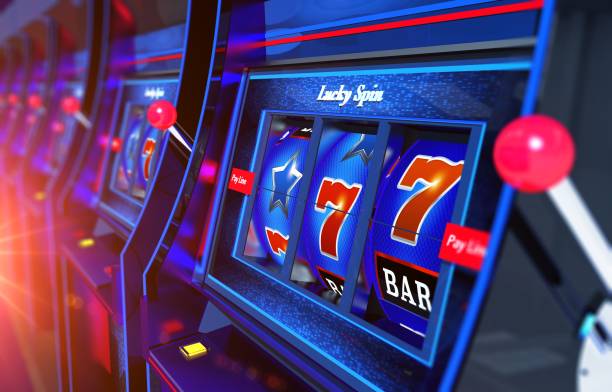
Additionally, the atmosphere in casinos is meticulously designed to enhance this feeling of excitement. The sounds of spinning reels, the cheers of winners, and the visual stimulation of vibrant lights create an immersive environment that amplifies the emotional highs and lows experienced during play. This sensory overload not only heightens anticipation but also creates memories tied to winning moments, further embedding the desire to return to the gaming experience. The carefully crafted ambiance serves to keep players engaged, ensuring that the allure of chance remains ever-present.
The Role of Social Interaction
Social dynamics are essential in shaping the experiences people have in casinos. Many game players view gambling not merely as a solitary activity but as a communal experience that fosters social connections. The opportunity to share a gaming table with friends or strangers brings an element of camaraderie, enhancing enjoyment and contributing to the overall appeal of casino games. This shared experience can lead to heightened excitement and engagement as players exchange stories, celebrate wins, and support each other through losses, creating a rich social tapestry that enhances the gambling experience.
Moreover, the culture surrounding gambling encourages specific social behaviors. Players often share strategies and anecdotes, comparing their experiences and outcomes. This exchange fosters a sense of belonging and shared identity among players, which can be particularly appealing to those seeking social interaction. The presence of others can make the highs of winning feel even more significant and the lows of losing more bearable. Additionally, witnessing others win can generate a form of social proof, reinforcing the belief that success is possible and prompting others to join in the excitement.
On the flip side, social interactions at casinos can also lead to competitive behaviors and peer pressure. Some players may feel compelled to continue gambling to maintain their social standing, driven by the fear of missing out or the desire to fit in with a group. This can create a complicated dynamic where enjoyment turns into compulsion, highlighting the fine line between healthy social engagement and potentially detrimental gambling behaviors. Balancing the social aspects of gambling with personal limits is crucial for maintaining a healthy relationship with casino games.
Addiction and Gambling Behavior
The psychology behind casino games must also consider the darker side: gambling addiction. For some, the thrill of playing can escalate into a compulsive need to gamble, resulting in negative consequences for their personal lives and finances. This addiction is often linked to the brain’s reward pathways, similar to substance abuse, where the brain’s chemistry becomes altered to prioritize gambling over other responsibilities or pleasures. Individuals may chase losses or experience withdrawal symptoms when not engaged in gambling, underscoring the powerful grip that these games can have on their lives.
Understanding the signs of gambling addiction is crucial, as it often manifests in subtle ways. Individuals may start by betting relatively small amounts, but as their tolerance builds, they may take larger risks in hopes of recouping losses. Furthermore, preoccupation with gambling—constantly thinking about it, planning the next session, or even lying about their gaming habits—can strain personal relationships and lead to social isolation. Recognizing these behaviors is essential for timely intervention and support. Awareness of the psychological factors contributing to addiction can empower individuals to seek help before the situation escalates.
Help is available for those struggling with gambling addiction, but it requires acknowledgment of the problem. Therapeutic approaches, such as cognitive-behavioral therapy, have been shown to be effective in addressing the underlying issues related to gambling and can assist individuals in developing healthier coping mechanisms. Support groups can also offer community and shared experiences that can guide individuals toward recovery, underscoring the importance of resource access in the fight against gambling addiction. Understanding the complex interplay of psychological factors in gambling behavior is vital for fostering healthier habits.
The Impact of Environment on Gambling Behavior
The physical environment of casinos significantly influences player behavior and decision making. The design of gaming spaces, including lighting, sound, and layout, is systematically engineered to encourage prolonged play. Bright lights and sounds of cash registers ringing attract attention and create a sense of urgency, compelling players to stay engaged longer. Additionally, the placement of games is strategic, often funneling players toward high-stakes areas, encouraging them to abandon lower-stakes games in favor of riskier options. This intentional design manipulates player perceptions and behaviors.

Furthermore, the availability of complimentary services, such as free drinks or meals, plays on the psychology of reward and instant gratification. Players may feel more inclined to spend money on games if they perceive they are receiving something for free, leading to increased time spent gaming. This approach taps into the psychological principle of reciprocity, where individuals feel a compelling need to reciprocate perceived generosity, thereby fueling the cycle of gambling. The environment thus becomes a critical factor in shaping gambling behavior and decision-making processes.
Additionally, casinos often leverage loyalty programs that reward frequent players with bonuses, which further entices individuals to return. These gamified elements create a false sense of progress that reinforces commitment to regular play, even if it leads to negative financial consequences. Understanding the psychological impact of these environmental factors helps illuminate why individuals may continue to gamble despite adverse experiences, reinforcing a feedback loop that is hard to break. The interplay between environment and psychology in gambling is a crucial area of study for both researchers and players alike.
Understanding Casino Websites and Their Appeal
The rise of online casinos has transformed the gambling landscape, making it more accessible than ever before. These websites replicate the immersive experience of traditional casinos, complete with engaging graphics, sound effects, and the thrill of chance. Users can enjoy their favorite games from the comfort of their homes, which can amplify feelings of anonymity and freedom. This convenience can also contribute to problematic gambling behaviors, as the barriers to entry are significantly lowered compared to physical casinos. The accessibility of online gambling makes it essential for players to remain vigilant about their habits.
Online casinos employ similar psychological strategies to capture and maintain user engagement. Features like welcome bonuses, free spins, and loyalty rewards encourage players to register and keep returning. Moreover, real-time statistics on wins and losses, as well as interactive elements within games, create an engaging experience that mimics social aspects of traditional gambling. This blend of gaming and social interaction makes online casinos appealing, but it also requires individuals to practice responsible gaming. The allure of online gambling can easily lead to overindulgence without self-regulation.
Ultimately, as the popularity of casino websites continues to grow, it is essential for players to be mindful of their gambling habits. Understanding the psychological triggers that lead them to play and recognizing the signs of addiction can help individuals navigate this exciting but potentially risky landscape. By fostering awareness and promoting responsible gaming practices, players can enjoy the thrill of casino games while minimizing the risk of adverse consequences. It is crucial that both players and operators prioritize strategies that promote healthy gambling environments.